

About
The MA Art and Environment (MAAE) uniquely combines post-studio art practice, interdisciplinary research, virtual teaching, Island Studies and community engagement. Taking contemporary art’s relationship with environments (ecological, spatial, political, economic) as its object of study, the MAAE instructs students in artistic practices shaped by ‘archipelagic thinking’ (a decolonial spatial discourse that emphasises relationality and locality) and a pedagogy that is world-centred. A World-centred education is orientated towards ‘events’ in the world and the responses that they provoke in students and teachers.
Located in the West Cork Archipelago and the West Cork Arts Centre (Uillinn) the MAAE is supported by a team of artists, lecturers, and researchers in the Dublin School of Art and Design (TU Dublin), by community workers and technicians in the Sherkin Island Development Society (SIDS) and by an international, interdisciplinary network of peers and colleagues.
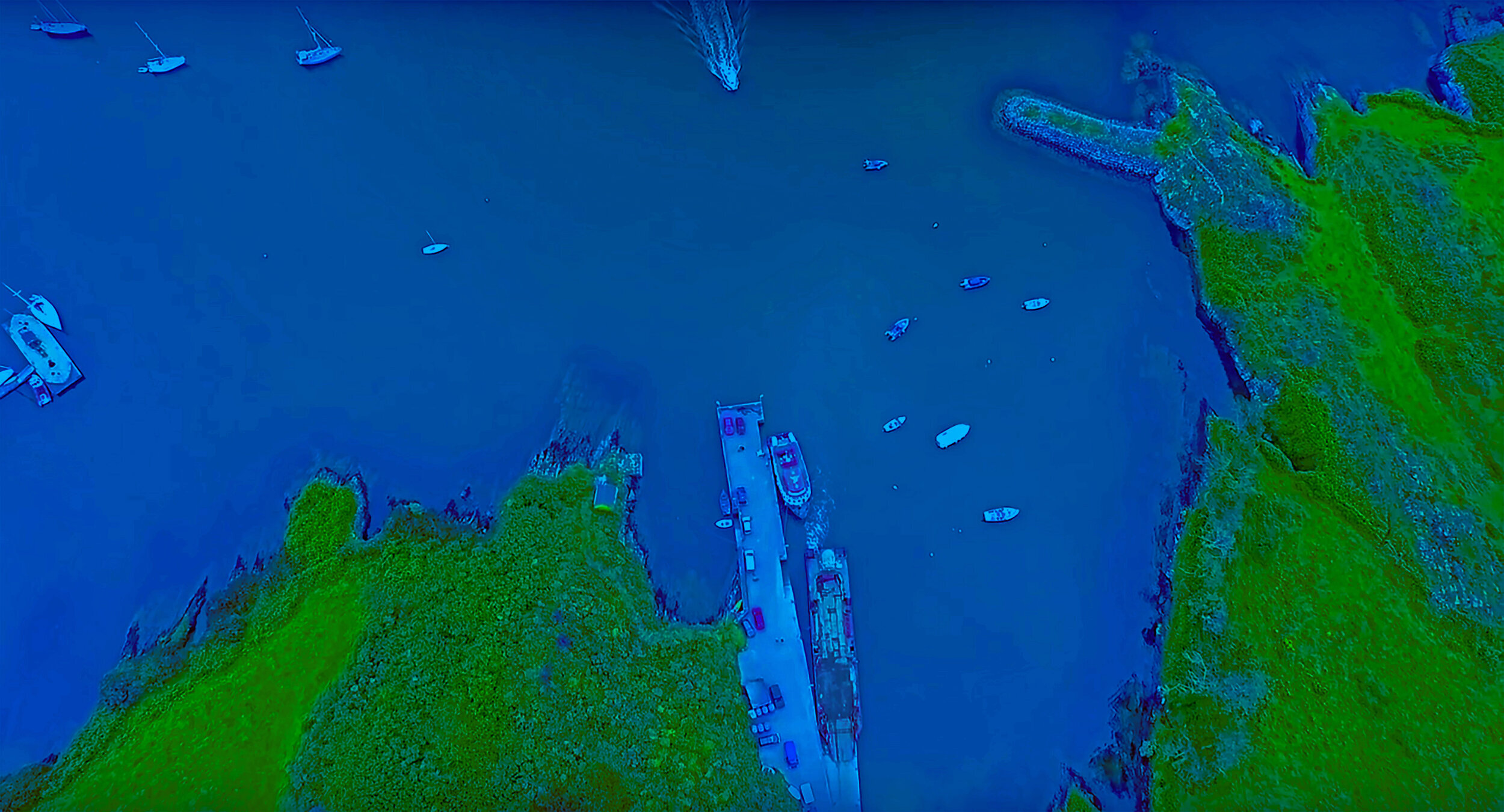
*Image: Insiders Perspective.Mona O Driscoll. 2018

Dublin School of Art and Design
The MAAE faculty is comprised of practising artists, academics, critics, curators and community workers who cover the whole spectrum of environmental art practice and community art-related knowledge. We are actively involved in the contemporary cultural scene as organisers, makers and commentators. The MAAE is supported by a programme of visiting lecturer’s from the Dublin School of Art and Design, including Jesse Jones, Barbara Knezevic, Dr. Brian Fay, Dr. Noel Fitzpatrick, Dr. Mark Garry, Dr.Connell Vaughan and Dr.Mick O Hara (staff profiles here). The course coordinator is Dr. Glenn Loughran.

Dr GLENN LOUGHRAN: MAAE Programme Chair
Glenn Loughran is an Artist and Lecturer in Fine Art at the Dublin School of Art and Design at the Technological University Dublin. He is the course coordinator of the BA in Visual Art on Sherkin Island and Head of Artistic Research in the Graduate School of Creative Arts (GradCAM). He has presented internationally on Artistic Research, Socially Engaged Art, Pedagogy and Island studies.

ANN DAVOREN: Director of Uillinn: West Cork Arts Centre, Skibbereen, Co. Cork
Ann has worked with many emerging and established Irish and international artists, curators and arts organisations to develop commissions, projects, publications, exhibitions and symposia. With an emphasis on the visual arts, arts education and socially engaged arts practice, she has supported the development of the BA (hons) Visual Art Degree Programme and the new MA Art and Environment Programme for west Cork. She chaired the Building Project Development Group (2007 to 2015) to develop a new purpose-built home for West Cork Arts Centre, which was opened to the public in Skibbereen in 2015.

Curriculum
The MAAE has a unique, three part curriculum focused on Mapping, Sensing, and Hacking. Where Mapping gathers historical and empirical knowledge, Sensing promotes sensorial and aesthetic engagement with materials, systems, and environments. Hacking then encourages imaginative, site-specific interventions (or ‘hacks’) that excavate, repurpose, or recompose elements of the environment. With long distance learning central to the archipelagic reach of the course, virtual learning and in particular virtual environments are also an aspect of study on the course.

MAPPINg THE ENVIRONMENT
(25 ECTS)
Themes
Histories and Theories of Environment
Environmental Humanities
Cognitive Mapping
Island Studies I
Interdisciplinary practice
Delivery / lectures (on-site and virtual), workshops, projects, curatorial programme.
Mapping the Environment introduces students to the themes, debates, and conceptual frameworks that have shaped environmental arts over the past fifty years. It explores aesthetic, social, and political intersections between art and other fields and disciplines: biological and earth sciences, anthropology, design, education, and political activism. In addition, students learn techniques of deep mapping and other diagrammatic methodologies to cognitively map local environments across the West Cork archipelago.
Sensing THE ENVIRONMENT
(25 ECTS)
Themes:
Artistic Research
Eco-Socially Engaged Art
Environmental Fieldwork and Citizen Science
Island Studies II
Informal Pedagogies
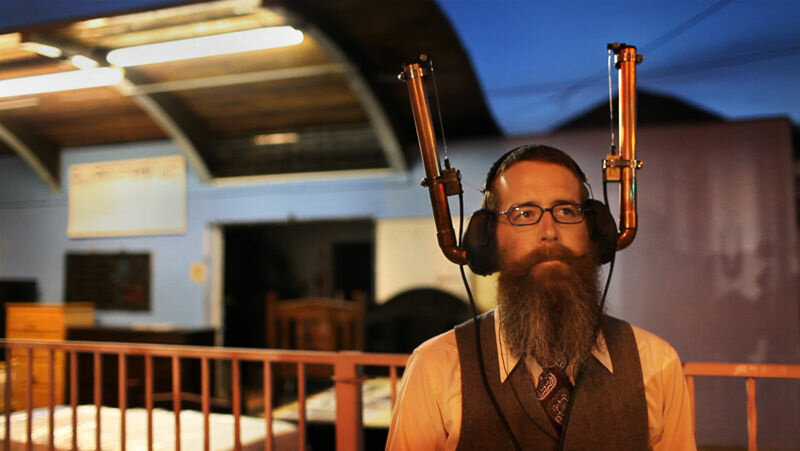
Sensing the Environment will support students to develop expanded artistic research projects within local environments and communities. Focusing on archipelagic fieldwork, students will record, measure, analyse, and sense local environments. Such fieldwork is essential to an expanded art practices that engages with human and non-human actors. Lectures on artistic research, island studies, public pedagogy and socially engaged arts will support this fieldwork.

Hacking the environment
(40 ECTS)
Themes:
Event Studies
Hacking as Acting
Hacking as Adapting
Project Management
Project Realisation
Delivery / lectures, community engagement, fieldwork, project management, project realisation.
Hacking the Environment will synthesise the work developed in modules 1 & 2 through a large-scale project. It will support students to conceive, manage, and deliver a final project that intervenes and ‘hacks’ a local environment. This module will be facilitated by members of the island communities, SIDS and UILLINN.
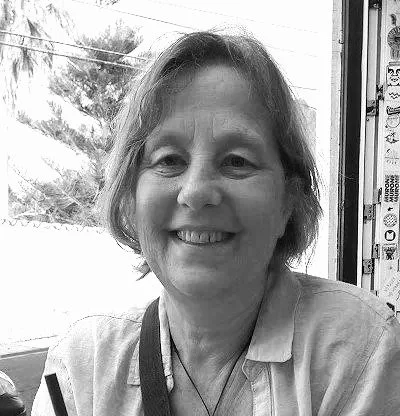
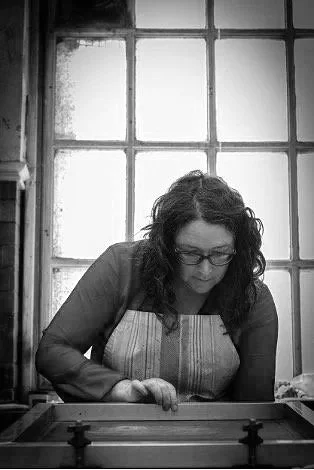


DR JO LEWIS gained an MA in Fine Art sculpture at Birmingham School of Art (sculpture) and in 2004 gained a PhD at School of Oriental & African Arts (SOAS) with her research into Women Artists in Botswana. In 2012 Jo initiated and directed Green-Door Ireland – a website and ‘festival of rural architecture and living’, and curated the county-wide open-door weekends and festivals until 2017. Since 2002 Jo has taught creative practices for Leitrim and Sligo arts councils and at Sligo ATU. More recently Jo has worked on the Sligo BLAST initiative in schools all over the county and in 2023 received a YPCE Arts Council bursary to conduct research into using the interface between art and ecology in school education, as a way of engaging children in their environment. A blog series for the Arts in Education Portal in 2024 disseminated some her research and findings.
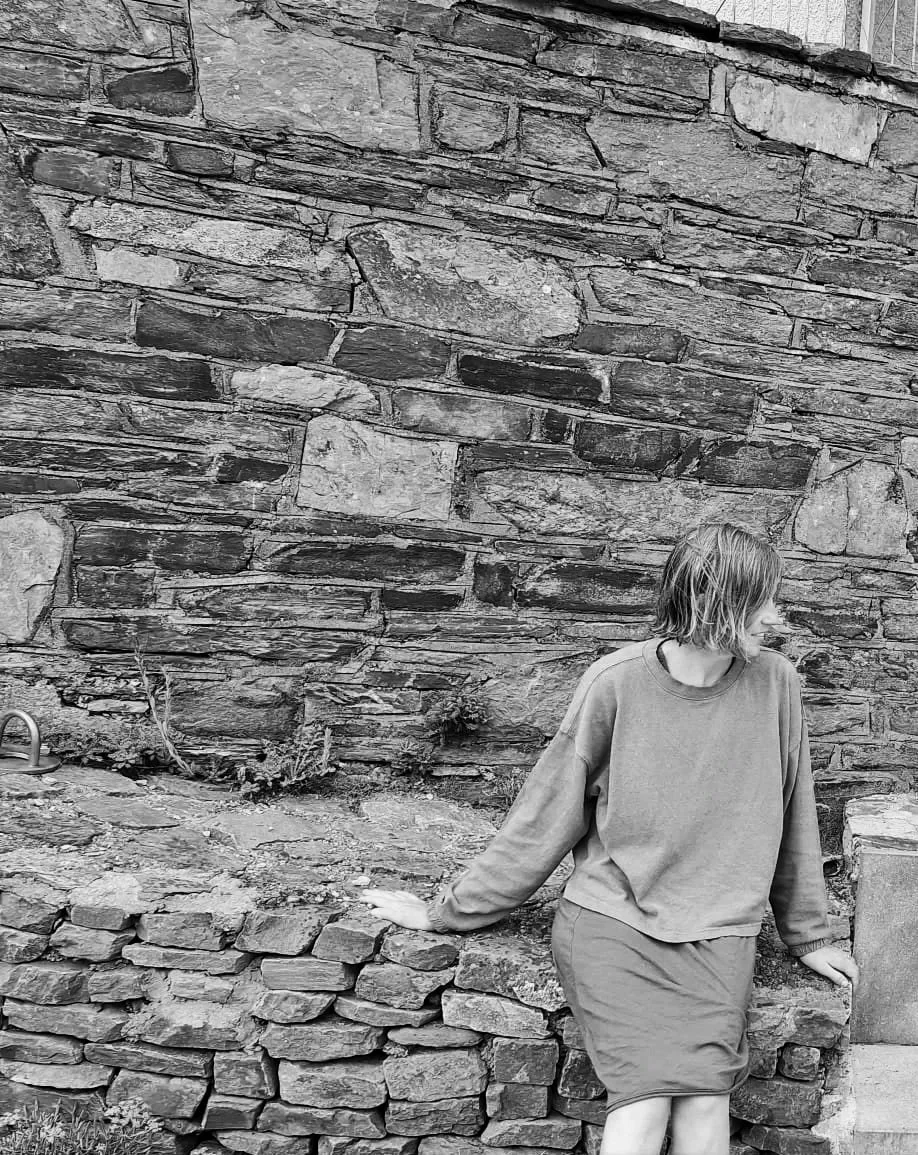
MAUREEN CLARKE is an emerging visual artist based in Cork, Ireland. Her visual art practice focuses on the layers of time within the land. Through a sensitive and experimental approach, Clark combines the hand drawn mark and photographic image with the precision of laser etching to create lines of time. Clark questions her connection to the land through photography and drawing creating layered screen prints on paper and in kiln cast glass, evoking layers of time hidden within rocks. Clark graduated from Crawford College of Art and Design in 2024 with a BA (hons) in Contemporary Applied Art. She primarily works with kiln cast glass and handmade paper, combining new technologies with the traditional processes of screen print, drawing and photography. Clark was awarded the National Sculpture Factory 3 month Graduate Residency, M.T.U. CCAD Glass Residency and M.T.U. CCAD Steam Group Exhibition award.
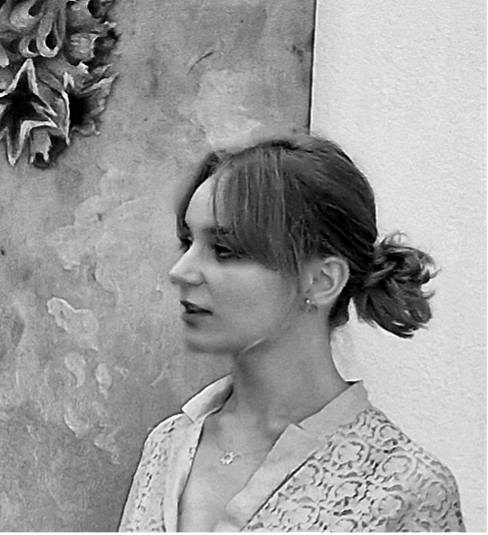
ANIMA has always been fascinated by change and mutation. In contorted landscapes and biological speculation, she seeks out new visions of nature. Since 2020, this artistic project has mirrored her own gender transition. By imagining another idea of life in painting, she hopes to upset the rigidity of our own lives and find the latent, revolutionary potential within us all. Her most recent exhibition, Ichnœumena, opened in France, July 2025.
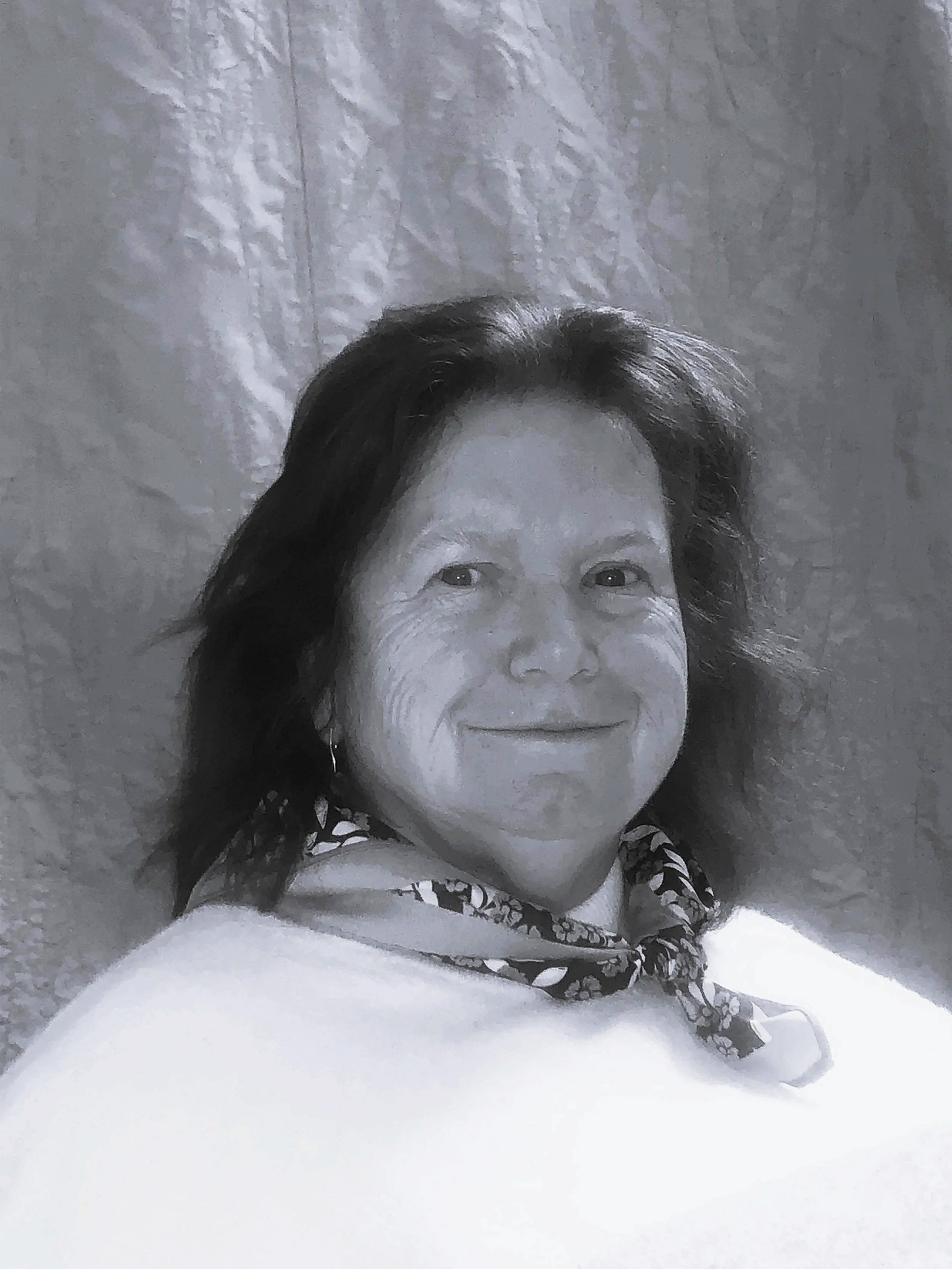
RÓISÍN FOLELY (b Cork City Ireland) lives and works in West Cork. She works across the areas of arts, education and community, and situates her work in projects that are both environmentally and socially regenerative. She graduated from the Crawford College Cork in 2014 with a BA in Fine Art, and received the Ciarán Langford Memorial Bursary Award, along with the inaugural CCAD Graduate Sculpture Residency Award. She has worked with and in many national and international institutions and organisations over the past 10 years in her work as an Artist, Researcher, Curator and Writer. In 2020 she studied Permaculture and Sustainable Horticulture, leading her to develop new methodologies for working which she hopes to develop further through the MA A+E. She is a recipient of County Council and Arts Council Awards, is a Co-Director of BioFest West Cork, and a resident Curator at Skibbereen Arts Festival. She is a practicing horticulturalist and member of Talamh Beo, The Irish Agroforestry Forum, Praxis (Artists Union), and the Glitter Heap Collective.
FIONNUALA MCKENNA is a multidisciplinary artist whose installations explore the fragile entanglements of body and landscape. Working with elemental materials—including breath, and sound—she creates multisensory environments that evoke ecological memory, sensory intimacy, and transformation. Her practice draws on feminist philosophy and environmental aesthetics to trace the rhythms of breath, decay, and regeneration across bodily and geological time. Using a diverse range of materials including microscopy, video, and field recordings, Fionnuala’s work invites tactile encounters with boglands, coastlines, and other liminal terrains. These spaces become sites of resistance and reflection, where the boundaries between self and environment dissolve. Influenced by thinkers such as Luce Irigaray and artists like Magdalena Abakanowicz, her approach is both intuitive and research-driven, weaving theory and material into immersive experiences. Fionnuala’s installations offer quiet provocations—meditations on care, and vulnerability.
ALEX LUPU-BARAT Alex is an emerging curator and visual artist with a background in art and architectural history. During their Master’s, they worked with Dutch cultural heritage buildings and explored how their historical environments evolved over time. They developed an interest in the relationship between time and materiality, a theme that runs through both their curatorial projects and artistic work. In 2025, Alex curated two international exhibitions in the Netherlands and France, resulting in a hybrid practice shaped by postcolonial and postmodern perspectives. With a foundation in digital art, they are now shifting toward a traditional visual arts practice that draws from all their past influences.
MARY DONNELLY is an artist from Cork whose current work focuses on the landscape of Lough Hyne, working en plein air to document its ecological and cultural features. She is predominantly a painter but also works in mixed media, including watercolour, ink, and graphite, to respond directly to the changing environment and highlight its growing fragility. Mary holds a BA (Hons) in Fine Art from Crawford College of Art & Design and is a former member of Sample Studios.
NEWS
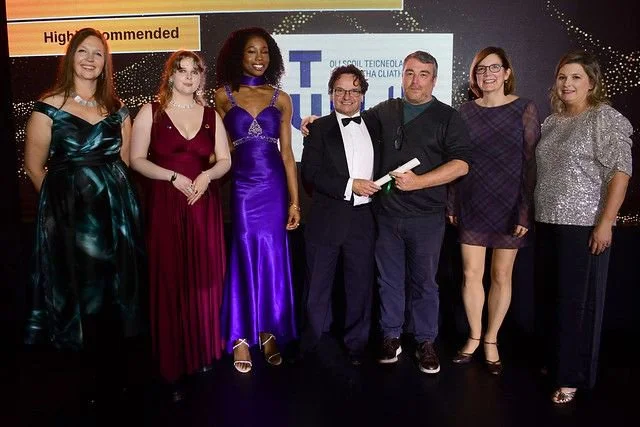
MA ART & ENVIRONMENT receives a HIGH COMMENDATION AWARD at the 2025 GREEN GOWN AWARDS UK & IRELAND
On November 6th, TU Dublin won four environmental sustainability awards at this year's Green Gown Awards Ceremony in Birmingham. This achievement marks the highest number of awards received by any university in the UK and Ireland, surpassing prestigious institutions such as Oxford, Cambridge, and Edinburgh, with Lecturer at the School of Art Dr. Glenn Loughran receiving a High Commendation in the category of Benefitting Society for his work on the MA Art and Environment program.
Reflecting on this unique archipelagic master’s programme the Vice President for Sustainability at TU Dublin, Jennifer Boyer, wrote:
The MA in Art and Environment demonstrates the vital role of the creative arts in addressing the planetary crisis in climate and biodiversity. We have the technological solutions for many of the pressing issues, but the messaging and conversations around these wicked problems are best articulated by artists and creatives who are embedded in their communities. This practice-based course is being delivered in an island community that is marginalised both geographically and socially, and the benefits to the community and to society are clearly visible.

APPLY
Open for applications from: January 1st / 2025
Applications submitted to: MA ART & ENVIRONMENT
For further information please contact Programme Director: Dr Glenn Loughran at glenn.loughran@tudublin.ie
*Image: Salvage X. 2018. Catch Keeley